3505 Carlin Springs Rd, Suite 101 · Falls Church, VA 22041 · (202) 888-6897 connect@vitalyncthebank.com
Insights & Resources

Perspectives on Global Tissue Access

Regulation, regenerative medicine, cultural understanding, and the human stories behind tissue donation — written for healthcare professionals, distributors, and policy makers working at the frontier of global access.

How tissue products travel across borders
Regulatory & Distribution
06 Apr 2026

From the US to the World: How Tissue Products Travel Across Borders to Save Lives

The journey from donor to recipient crosses FDA compliance, export certification, cold-chain logistics, and cultural relationships.

Read article →
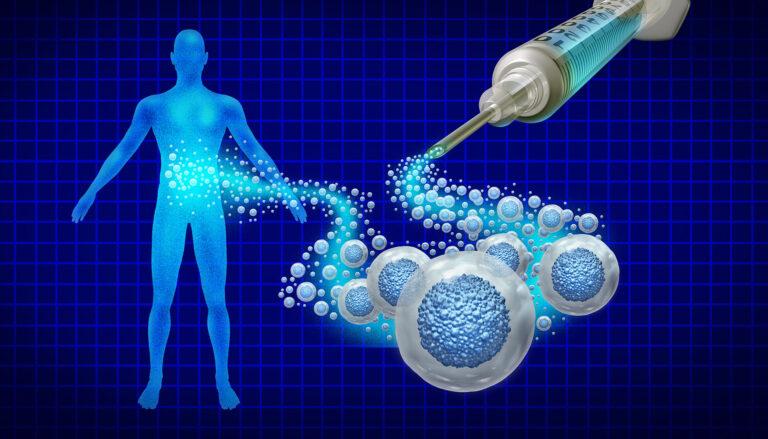
Tissue donation in regenerative medicine
Regenerative Medicine
11 Mar 2026

The Role of Tissue Donation in Regenerative Medicine

How donated bone, amniotic membrane, skin, and tendon tissue are driving the most meaningful clinical outcomes in modern medicine.

Read article →
Cultural myths about tissue donation
Tissue Donation
25 Feb 2026

Tackling Cultural Myths About Tissue Donation

Fear, misinformation, and deeply held beliefs shape how communities think about donation. Here's how to address them with empathy and evidence.

Read article →
Life after loss tissue donation legacy
Tissue Donation
11 Feb 2026

Life After Loss: How Tissue Donations Create a Healing Legacy

For families facing loss, the decision to donate tissue transforms grief into a gift that restores mobility, sight, and life for patients around the world.

Read article →
A gift of healing knows no boundaries
Tissue Donation
26 Jan 2026

A Gift of Healing Knows No Boundaries

The gap between regions with advanced tissue access and those without is a human problem — one that global partnerships built on ethics and expertise can help close.

Read article →
Regulatory & Distribution · 06 Apr 2026

From the US to the World: How Tissue Products Travel Across Borders to Save Lives

By VitaLync · Tissue Donation

How tissue products travel across borders

A Gift That Crosses Oceans

Somewhere in the United States, a healthy mother donates placental tissue after the birth of her baby. It's a quiet act of generosity — one she may never think about again. But that tissue has the potential to become an amniotic membrane graft that helps heal a chronic wound on a patient in Mexico City, or supports a surgical procedure in Kuala Lumpur, or aids recovery in Riyadh.

But how does it actually get there? The journey from donor to recipient is more complex — and more remarkable — than most people realize. It starts long before any plane takes off.

It Begins With a Donor — and a Very Strict Set of Rules

Before a single tissue product leaves a US facility, it has to clear a rigorous regulatory process. The FDA classifies donated human tissue as a Human Cell, Tissue, and Cellular and Tissue-Based Product — an HCT/P. The FDA regulates these products through the Center for Biologics Evaluation and Research, under 21 CFR Parts 1270 and 1271.

Every donor undergoes thorough screening. A distinct identification code must always accompany the HCT/P, relating the product to the donor and to all pertinent records. Infectious disease testing, medical history review, consent protocols — all documented, verified, and traceable. This level of rigor is what gives US-sourced tissue products their global reputation for safety and quality, and what makes international distribution possible in the first place.

Not Just Treating Disease — Restoring the Body

Regenerative medicine is built on a simple but profound idea: instead of just managing what's broken, help the body rebuild it. Traditional medicine focuses on symptom management. Regenerative medicine works with the body's own biology to repair, replace, or regenerate damaged tissues and organs. The goal is restoration of function, not just stabilization of decline.

At the center of many regenerative therapies is donated human tissue. Bone, skin, tendon, membrane — these materials carry biological properties that no synthetic substitute has fully replicated. They carry growth factors, structural proteins, and cellular signals that speak a language the human body already understands. According to the AATB, tissue bank members recover tissue from approximately 30,000 donors each year and distribute over 2 million allografts annually.

Paperwork Is the Passport

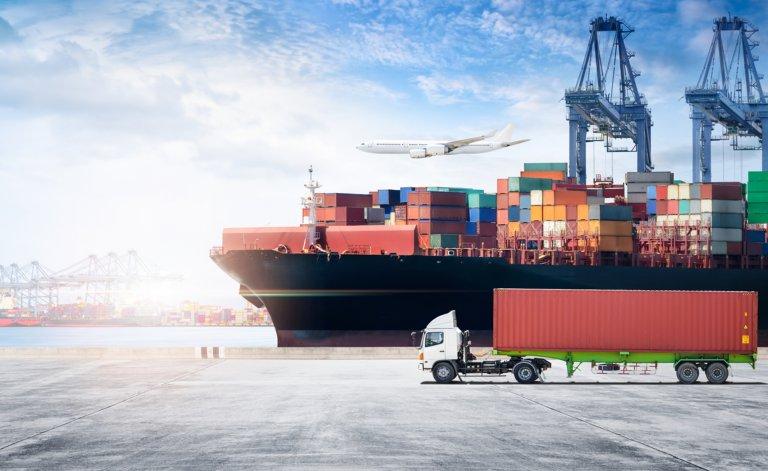
Once a tissue product is cleared for export, the real regulatory choreography begins. All products manufactured in the US are subject to FDA compliance regardless of where they're sold, so documentation requirements don't end at the US border. Export certificates confirm FDA compliance and are often required by foreign authorities. Every destination country has its own regulatory framework and import requirements — navigating this dual-compliance reality takes deep expertise that most healthcare institutions don't have in-house.

The Cold Chain: When Temperature Is Everything

Getting tissue products to their destination in a viable condition is a logistical feat. Tissues must be kept within specific temperature ranges to remain viable — from ambient (20°C to 25°C), to refrigerated (2°C to 8°C), to cryogenic below 0°C. That chain doesn't pause for customs delays, weather disruptions, or long-haul transit times. Real-time temperature monitoring, validated packaging, and specialized air freight protocols keep that chain intact from US facility to destination hospital.

The Human Layer

The most sophisticated cold chain won't matter if the relationship on the receiving end isn't built on trust. International medical distribution is about understanding how healthcare decisions get made in a given country, who the key decision-makers are, and how to build partnerships that last beyond a single transaction. In Mexico, relationship-building happens over time and through personal connections. In Asia, navigating institutional procurement channels requires patience and cultural fluency. In the Middle East, understanding both the regulatory environment and professional culture is essential.

Why Underserved Markets Matter Most

Many of the regions with the greatest need for quality tissue products are the ones that large corporations pay least attention to. High-volume markets with streamlined regulatory environments are easier to serve. But that calculus leaves healthcare providers in Mexico, Southeast Asia, and the Middle East working with limited access to amniotic membrane patches, demineralized bone matrix, and the tissue their patients need. When tissue products reach underserved markets reliably and safely, people heal who otherwise might not.

References & Further Reading

Ready to navigate global tissue distribution?

VitaLync manages the full regulatory and logistical journey — from FDA-compliant sourcing to in-market delivery.

Request a Consultation
Regenerative Medicine · 11 Mar 2026

The Role of Tissue Donation in Regenerative Medicine

By VitaLync · Regenerative Medicine, Tissue Donation

Tissue donation regenerative medicine

Imagine a grandmother in her late sixties, diabetic for years, whose foot wound simply would not close. Weeks of standard dressings. Months of meticulous care. And still, the threat of amputation loomed. Then a surgeon applied a graft derived from donated amniotic membrane tissue. Within weeks, the wound began to close. Within months, she was walking again.

That is not an unusual story. Across orthopedic wards, burn units, and wound care clinics, variations of that story play out every day — made possible by donated human tissue. Tissue donation is the foundation of regenerative medicine, yet most people don't fully appreciate how central it is to the most exciting clinical breakthroughs happening right now.

Not Just Treating Disease — Restoring the Body

Regenerative medicine works with the body's own biology to repair, replace, or regenerate damaged tissues and organs. The goal is restoration of function, not just stabilization of decline. At its center is donated human tissue — bone, skin, tendon, membrane — carrying biological properties that no synthetic substitute has fully replicated. According to the AATB, tissue bank members distribute over 2 million allografts annually.

Bone Tissue and Demineralized Bone Matrix (DBM)

For spinal fusion, joint reconstruction, or complex fracture repair, surgeons often turn to allograft bone. The most clinically significant form is demineralized bone matrix (DBM), produced by removing mineral content while preserving collagen structure and bone morphogenetic proteins (BMPs) — growth factors that actively stimulate new bone formation. DBM is both osteoconductive and osteoinductive, with a long clinical track record. No synthetic bone filler has consistently replicated those properties, and for patients who would otherwise face painful autograft harvesting, DBM offers a biologically active alternative.

Amniotic Membrane Grafts

The amniotic membrane — the innermost layer of the placenta — sourced from healthy donors during planned cesarean sections, is rich in growth factors, anti-inflammatory proteins, and extracellular matrix components that promote healing in ways few materials can match. It reduces inflammation, inhibits scar formation, provides a scaffold for cell growth, and actively encourages tissue regeneration. Clinical evidence shows patients receiving amniotic membrane grafts experience significantly lower rates of hypertrophic scarring, wound infection, and postoperative pain than those receiving conventional bioengineered substitutes.

Skin Allografts and Donated Tendons

Donated skin is a lifeline for burn patients, providing temporary biological coverage that protects wounds from infection while longer-term reconstruction is planned. Donated tendons restore mobility for patients with ligament tears or degenerative damage. For an athlete, a construction worker, or simply a person who wants to walk without pain, a tendon allograft can be the difference between life as they knew it and a permanent limitation. In every case, donated tissue does what no manufactured material has yet fully replicated — it works with the body, not just on it.

The Healing Is Uneven — and That Matters

In high-resource healthcare environments, access to DBM, amniotic membrane grafts, and skin allografts has become increasingly routine. But across Latin America, Southeast Asia, and the Middle East, these products remain difficult to access, expensive to import, or simply unavailable due to regulatory and supply chain complexities. Patients who need these therapies most are often the least likely to receive them — and that is a problem worth working to solve.

Our Commitment: Where Donation Meets Distribution

At VitaLync, we source and distribute DBM, amniotic membrane patches, whole donors, and research tissue to healthcare providers in Mexico, Asia, the Middle East, and beyond — focusing on the markets that larger suppliers often overlook. We navigate international regulations, bridge cultural differences, and stay committed to the providers and patients we serve over the long term. For us, tissue donation is not a product category. It's a gift — one that our work exists to honor by ensuring it reaches the people who need it most.
References & Further Reading

Interested in amniotic membrane or DBM for your market?

VitaLync distributes FDA-compliant tissue products to healthcare providers and distributors across Latin America, the Middle East, and Asia-Pacific.

View Tissue Products
Tissue Donation · 25 Feb 2026

Tackling Cultural Myths About Tissue Donation

By VitaLync · Tissue Donation

Cultural myths about tissue donation

Conversations about tissue donation can be difficult. For many, the topic is surrounded by fear, uncertainty, and deeply rooted cultural or religious beliefs. These concerns are valid and deserve to be met with respect and understanding. But what if we could move past the fear? What if we could replace hesitation with hope, and myths with facts? By addressing common misconceptions with compassion and clarity, we can open the door to life-changing possibilities for donors, recipients, and communities around the world.

Why Do Myths About Tissue Donation Persist?

Cultural myths about tissue donation often stem from a lack of information or mistrust in medical systems. In some regions, religious beliefs may discourage donation, or there may be fears about how a donor's body will be treated. In underserved areas where access to healthcare is limited, misinformation can spread quickly. Without clear, accurate education, myths take root and create barriers to donation. It's important to acknowledge these fears without judgment — they are often born from a desire to protect cultural values, religious principles, or personal dignity.

Myth vs. Fact: Setting the Record Straight

Myth 1: Tissue donation is against my religion.

Fact: Most major religions, including Islam, Christianity, Judaism, and Buddhism, support tissue and organ donation as acts of compassion and generosity. The Vatican has publicly stated that organ and tissue donation is "a noble and meritorious act." Islamic scholars have issued fatwas permitting donation under specific ethical guidelines.

Myth 2: My body will be disrespected after donation.

Fact: Tissue banks follow strict ethical and legal guidelines ensuring every donor is treated with dignity and respect. International organizations including the WHO and AATB have established rigorous standards to ensure ethical practices in tissue recovery and handling.

Myth 3: Only young, healthy people can donate.

Fact: Age and health conditions don't automatically disqualify someone. Unlike organ donation, tissue donation is often more inclusive — corneas, skin, and bone can be donated by people of various ages and health backgrounds. Eligibility is determined on a case-by-case basis.

Education: The Key to Replacing Fear with Hope

When people are given accurate, culturally sensitive information, they are more likely to feel confident about tissue donation. Healthcare providers and community leaders play a crucial role — by hosting informational sessions, sharing real-life stories, and partnering with local religious or cultural leaders, they can help dispel myths and build trust. Storytelling has proven especially effective: sharing the journey of a donor or recipient can highlight the profound impact of donation and inspire others to consider it.

Shared Values Across Cultures and Faiths

At its core, tissue donation is an act of generosity, dignity, and care for others — values shared across cultures and faiths. Whether it's a family donating in honor of a loved one or a recipient finding new hope through a transplant, the process is a testament to the power of human connection. By focusing on these shared values, we can bridge cultural divides and create a global community that supports and celebrates tissue donation.

References & Further Reading

Building tissue access in a new market?

VitaLync combines regulatory expertise with deep cultural intelligence to help partners establish trust and supply in emerging markets.

Request a Consultation
Tissue Donation · 11 Feb 2026

Life After Loss: How Tissue Donations Create a Healing Legacy

By VitaLync · Tissue Donation

Life after loss

When a loved one passes, the grief can feel insurmountable. But for many families, the decision to donate tissue offers a way to transform loss into hope. Tissue donation is a profound act of compassion, one that restores mobility, reduces pain, and supports recovery for patients around the world. It's a gift that not only changes lives but also creates a legacy of healing that endures.

The Ripple Effect of Tissue Donation

Unlike organ transplants, which typically benefit one recipient, a single tissue donor can help dozens of patients. Musculoskeletal tissue repairs damaged knees, tendons, and ligaments. Skin grafts from donors are critical in treating severe burns. Corneal tissue restores sight. In underserved regions like the Philippines, Saudi Arabia, and Uzbekistan, where access to advanced medical care is limited, tissue donation becomes even more vital. VitaLync works to ensure these life-enhancing solutions reach the communities that need them most.

Finding Light in the Darkness

For families, the decision to donate tissue often brings a sense of purpose during their darkest moments. Knowing that their loved one's gift can improve or save lives offers comfort and a way to honor their memory. At VitaLync, we prioritize culturally sensitive communication and education, helping families see how their loved one's legacy can live on through the lives they touch.

The Science of Second Chances

Unlike organ transplants, tissue donations don't require blood-type matching and have a lower risk of rejection, making them accessible to a broader range of patients with a longer shelf life. Donated tendons and ligaments restore mobility in orthopedic surgeries. Bone grafts fill defects left by tumors. These procedures not only improve physical health but enhance emotional well-being by allowing patients to return to their normal lives.

Breaking Barriers, Building Trust

Myths and misconceptions — concerns about religious compatibility or fears of disfigurement — can deter potential donors. In regions like the Middle East and Asia, where cultural and religious values play a significant role, VitaLync works to foster trust and understanding. Our commitment to cultural intelligence ensures that every conversation is tailored to the unique needs and values of the communities we serve.

A Legacy of Healing and Hope

Tissue donation is more than a medical procedure — it's a way to create a legacy of healing that spans generations. At VitaLync, we're honored to play a role in this transformative process by connecting donors and recipients around the shared goal of improving lives.

References & Further Reading

Partnering to expand tissue access globally

VitaLync works with healthcare providers and distributors in underserved markets to ensure life-saving tissue products reach the patients who need them.

Get in Touch
Tissue Donation · 26 Jan 2026

A Gift of Healing Knows No Boundaries

By VitaLync · Tissue Donation

A gift of healing knows no boundaries

A young athlete in a remote village tears a ligament, threatening their future. A grandparent with diabetes develops a wound that refuses to heal, risking amputation. A construction worker suffers a severe burn that could leave them permanently scarred. In many parts of the world, these scenarios have clear treatment paths involving life-changing tissue grafts. For millions of others, however, access to this fundamental level of care remains out of reach.

The Silent Crisis in Global Healthcare

For healthcare providers in underserved markets, the desire to provide the best possible care often clashes with the reality of limited resources. Establishing and maintaining a tissue bank involves sophisticated laboratories, secure cryopreservation facilities, and a robust logistical network — a massive undertaking often beyond the capacity of developing healthcare systems. Regulatory hurdles add further barriers: in many nations, a formal framework for tissue donation and transplantation is still emerging. Cultural and religious beliefs surrounding the body and death can also influence public perception, limiting the local supply of available tissue even when the need is great.

Bridging Continents with Compassion and Innovation

Solving this silent crisis doesn't mean every region must build a complex tissue banking system independently. The solution lies in building bridges through ethical global partnerships. Global tissue banks can serve as vital partners — not just suppliers — to help local healthcare providers navigate these complex challenges. A crucial function is navigating international regulations, managing the compliance and documentation required to ensure tissues move safely and legally across borders. Through validated shipping methods and temperature-controlled packaging, tissues can be transported thousands of miles while maintaining integrity.

The Human Impact of a Connected World

When these partnerships succeed, the impact is measured not in shipments, but in lives transformed. A diabetic patient in Mexico who, thanks to an amniotic membrane patch, avoids a foot amputation and can continue to walk. A mother in the Philippines who receives a corneal transplant that restores her sight, allowing her to see her children clearly for the first time in years. These are not just medical procedures; they are stories of renewed hope and restored dignity. Every donation that crosses a border is a testament to shared humanity and the profound impact of generosity.

A Shared Responsibility for Global Health

Access to healing should be a universal right, not a privilege determined by geography. Closing the gap in tissue availability requires logistical expertise, unwavering ethical standards, and deep cultural understanding. Together, we can build a world where every patient, no matter where they live, has access to the gift of healing.

References & Further Reading

Let's close the gap together.

VitaLync partners with Ministries of Health, regional health initiatives, and medical distributors to bring FDA-compliant tissue access to underserved markets worldwide.

Start the Conversation

Ready to build tissue access in your market?

Email
connect@vitalyncthebank.com
Phone
(202) 888-6897
Location
Falls Church, Virginia